Sickle Cell Disease (SCD) is a genetic blood disorder that affects the shape and function of red blood cells. Instead of being round and flexible, the red blood cells become rigid and sickle-shaped, which can block blood flow and reduce oxygen delivery throughout the body.
What Causes Sickle Cell Disease?
SCD is inherited when a child receives two sickle cell genes—one from each parent. It is not contagious and cannot be acquired later in life.
Common Symptoms
People living with SCD may experience:
- Frequent pain episodes (crises)
- Fatigue and weakness
- Increased risk of infections
- Delayed growth in children
- Vision problems
Living with Sickle Cell Disease
With proper medical care, education, and community support, individuals with SCD can live full and productive lives. Early diagnosis, regular checkups, hydration, and avoiding extreme conditions are essential management strategies.
Our Commitment
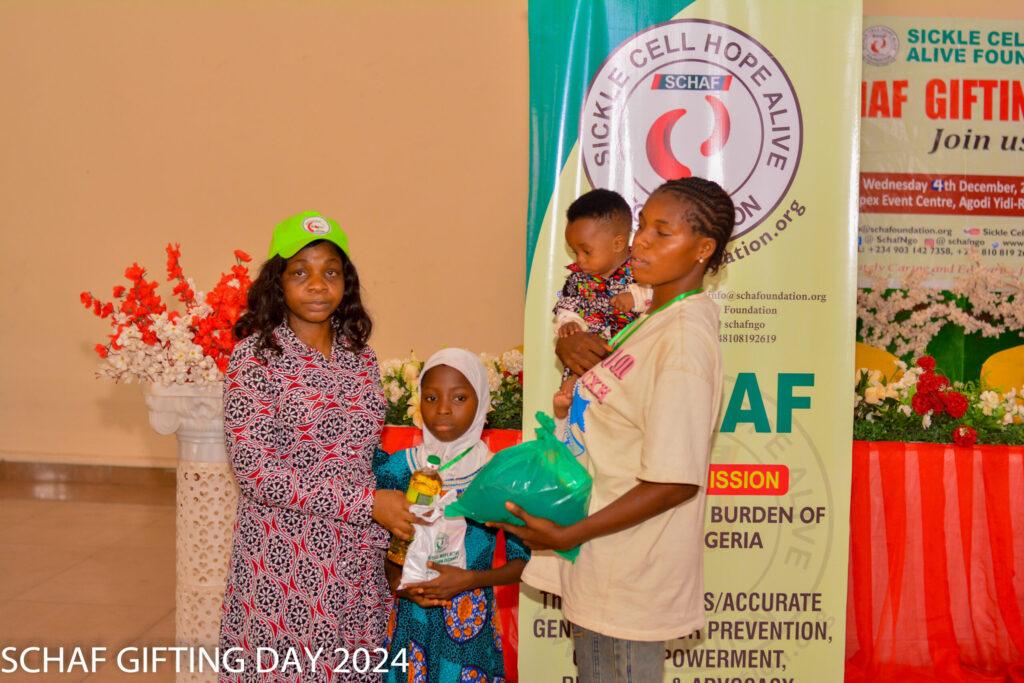
At Sickle Cell Hope Alive Foundation, we are dedicated to raising awareness, providing education, and supporting individuals and families affected by Sickle Cell Disease through advocacy, outreach programs, and community events.
Together, we can create a more informed and compassionate society.