We weren't built to be loud. We were built to last.
SCHAF began as a response to something we kept seeing in our communities: pain that came from not knowing. Today, we are the bridge between knowledge and the lives it can change.
Mission
To improve the lives of individuals affected by sickle cell disease through education, early detection, and access to support systems.
Vision
A society where every individual is informed, supported, and empowered to prevent and live well with sickle cell disease.
Approach
We move people through a clear arc — from awareness, to screening, to care, to belonging — so progress is never accidental.
• Leadership
The People Behind the Mission
A dedicated team of professionals, healthcare advisors, and community champions.
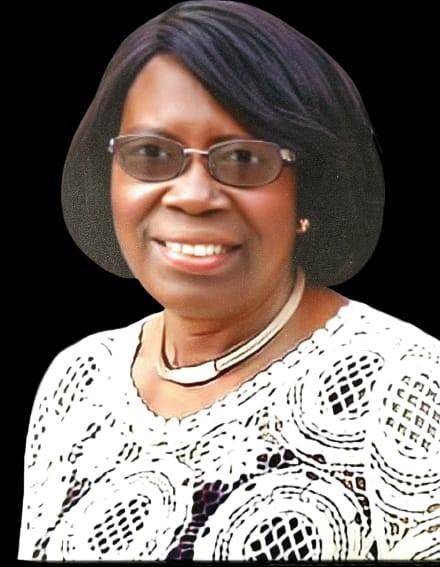
Professor Adeyinka Falusi
Founder, Trustee & Co-Chair
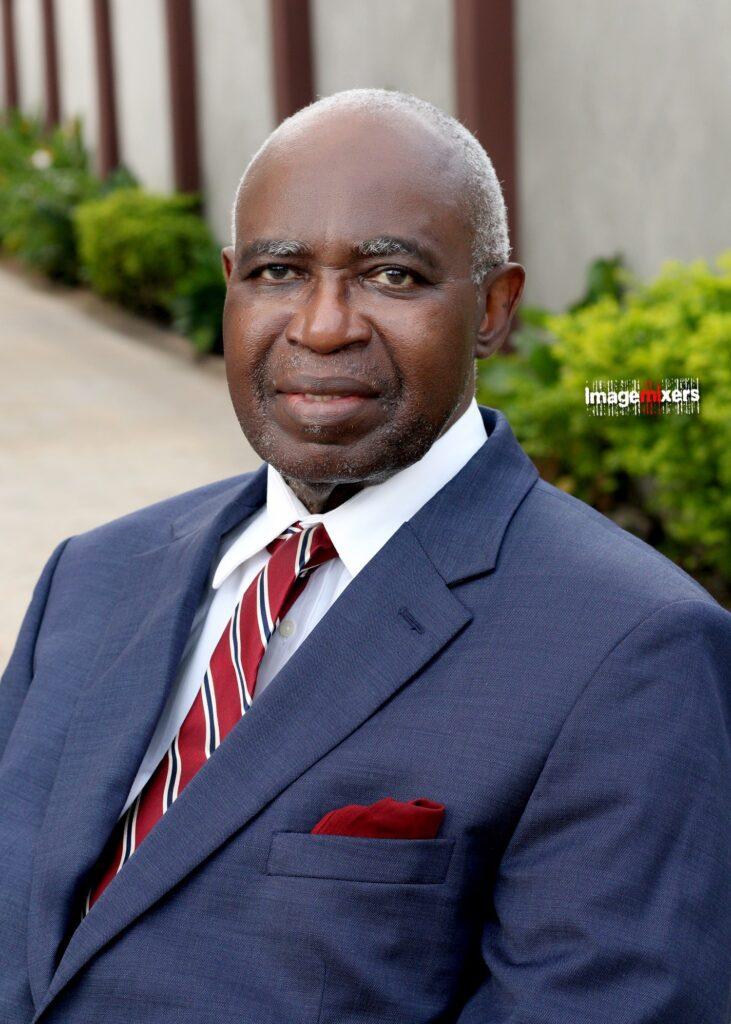
Professor Abiodun Falusi
Trustee & Chairman
• How We Grew
A foundation, told in chapters
We didn’t arrive here in one leap. Every chapter of SCHAF was built on what the previous one taught us.
01
The Beginning
A small group, a clear problem
It started with a small group coming together around a growing concern the lack of awareness about genotype compatibility and its long-term consequences. What began as simple conversations quickly revealed how little people understood and how much needed to be done.
02
Finding the Method
Learning what works
Before expanding, time was spent refining the approach how to communicate clearly, how to guide conversations, and how to make screening accessible. Each interaction shaped a more effective way of reaching people and helping them make informed decisions.
03
Expanding the Reach
Taking the message further
Once the model worked, we took it to the places people already gathered — secondary schools, churches and mosques, marketplaces, and clinics. Awareness became a conversation people had with each other, not just with us.
04
Deepening the Work
From awareness to support
As outreach grew, so did the need for care. More individuals were identified as already living with sickle cell, many without consistent support. This led to the development of structured patient support, including access to medication, guidance for families, and ongoing care systems.
05
Where We Are Now
A structured, ongoing effort
Today, the work has grown into a more coordinated system addressing prevention, detection, care, and social support across multiple communities. Over the years, what started as a response to a problem has become a sustained effort to address it at scale
We did not set out to build a foundation. We set out to address a gap in understanding around genotype compatibility. The foundation emerged because the problem required a sustained response.